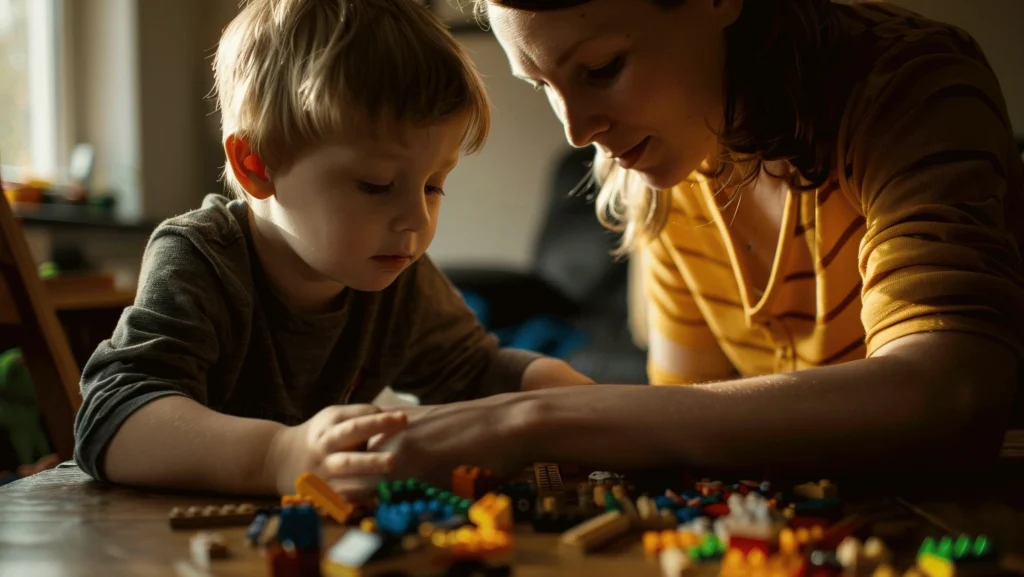
As a working mom, life can feel like a never-ending balancing act. Between work deadlines, household chores, and trying to maintain a semblance of a social life, it’s easy to feel like you’re constantly rushing through each day. I’ll be the first to admit, I often find myself struggling to carve out quality time with my son, and sometimes, when I do, I feel guilty about how little time I can devote to him during the week. But one thing I’ve learned is that sensory activities for toddlers can be a wonderful way to engage with your little one, without needing a huge time commitment. They’re simple, fun, and can be done with minimal preparation. Best of all, they allow your child to explore the world around them in ways that support their development. And as a busy mom, I’ll take all the simple wins I can get!
In this article, I’ll share some of my favorite sensory activities for toddlers, along with tips on how to make time for them, manage your expectations as a working mom, and overcome the feelings of guilt that often accompany parenthood.

The Beauty of Sensory Play
If you’re unfamiliar with sensory play, it refers to activities that engage one or more of your child’s senses—touch, sight, smell, taste, and hearing. Sensory activities help toddlers develop cognitive skills, motor skills, and even language skills, all while encouraging creativity. Think of it as play that promotes learning through exploration.
When my son was around 18 months old, I was feeling the pressure of trying to engage him in meaningful ways. I wanted him to learn, but my brain was exhausted from juggling work, home life, and all the other responsibilities. That’s when I discovered the magic of sensory play, and it became a game-changer. The best part? It doesn’t have to be complicated or require fancy materials.
Simple Sensory Activities for Toddlers
Here are a few sensory activities I regularly do with my son that are easy, quick, and (most importantly) fun!
1. Water Play
Water play is one of the most soothing and engaging activities you can do with a toddler. You can set up a small tub with water and a few bath toys or kitchen tools like measuring cups, spoons, and bowls. For added excitement, let your child pour water from one container to another. The sensory experience of splashing, pouring, and feeling the water is incredibly engaging.
Tip: On days when I’m really crunched for time, I’ll fill a plastic tub with warm water, set it on the kitchen floor, and let my son play while I get some light cleaning done. It gives us both a moment of peace and helps with his sensory exploration.
2. Sensory Bins
A sensory bin is a container filled with materials that encourage hands-on exploration. For example, you could fill a bin with rice, dried beans, or even shredded paper. Add a few small toys or kitchen tools (like spoons, tongs, or cups) for your child to scoop, pour, and sort. You can change the materials based on the season, so in the winter, I use fake snow (cotton balls) or dried pasta, while in the summer, I use sand or leaves.
Tip: I keep sensory bins simple to avoid a huge mess. I lay down a towel under the bin to catch any spills, which makes cleanup a lot easier.
3. DIY Playdough
I don’t always have time for a big DIY project, but playdough is a staple in our home. I can whip up a batch in under 10 minutes (the recipe is simple: flour, salt, water, and a little vegetable oil). Once it’s made, my son has a blast squishing, rolling, and molding it into shapes. It’s a great way to engage their sense of touch, and you can even incorporate learning by adding in cookie cutters, rolling pins, or counting tools.
Tip: If I need a quick distraction, I’ll give him a little dough while I prepare dinner. It keeps him occupied and lets me feel like I’m contributing to his development while managing everyday tasks.
4. Nature Walks
Though it’s not technically an indoor sensory activity, nature walks have been a favorite of mine and my son. There’s something about being outside that stimulates all the senses. On our walks, we take time to smell flowers, feel the grass, and listen to the sounds of birds. I’ve noticed that these little trips, while simple, help my son build a connection with nature.
Tip: Nature walks don’t need to be long or complicated. If time is tight, I’ll take a 10-minute walk around the neighborhood, point out the things we see, and enjoy some fresh air.
Time Management: Fitting In Sensory Play
One of the biggest struggles I face as a working mom is finding time for activities like sensory play. Between work meetings, making meals, and keeping the house in order, it can feel like there’s just no time left to engage with my son. However, I’ve learned a few tricks to help me manage my time and still fit in these activities:
- Be Intentional with Small Blocks of Time: You don’t need hours to do sensory activities. Even 10-15 minutes can be enough for your toddler to get fully engaged. I’ll often use a short window of time, like when my son wakes up from a nap, to fit in a sensory play session.
- Incorporate Activities Into Daily Routines: Sensory play doesn’t have to be a separate activity. I often turn everyday chores into sensory experiences. For example, when I’m making dinner, I’ll let my son play with the utensils or help me with the stirring (supervised, of course).
- Plan Ahead: On weekends, I’ll take a few minutes to gather materials for sensory activities, so I don’t feel rushed during the week. Having a “sensory play kit” ready to go makes the whole process easier.
Overcoming Mom Guilt
As a working mom, I know that guilt is a constant companion. When I can’t attend every single playdate or spend hours crafting Pinterest-perfect activities, it can feel like I’m not doing enough. But over time, I’ve realized that this guilt is unnecessary. My son doesn’t need hours of structured play to thrive; he needs my presence, love, and engagement—even if it’s just for a few minutes.
I also remind myself that being a working mom doesn’t mean I’m any less of a good parent. There’s no perfect balance, and that’s okay. The time I spend with my son, no matter how small, is meaningful. Sensory activities are a great way to engage with him without putting additional pressure on myself.
Self-Care and Work-Life Balance
Self-care is another area where I’ve had to find my balance. It’s easy to get lost in the hustle and forget to take care of myself. But I’ve learned that taking care of my mental and physical well-being is essential for being the best mom I can be.
Some days, self-care might be as simple as taking a 10-minute break to sip my coffee in peace, or reading a book after my son goes to bed. On other days, it might mean booking a massage or going for a walk alone. The key is making sure I have a moment for myself, no matter how small.
Maintaining a healthy work-life balance doesn’t mean having everything figured out; it means being kind to yourself when things don’t go as planned. It’s okay to have days when work takes precedence, or when a sensory activity gets skipped. What matters is your consistency and love, not perfection.
Conclusion: You Are Doing Your Best
At the end of the day, every working mom is doing her best. Whether you’re spending 30 minutes on a sensory activity or simply showing up for your child, it matters. You are an incredible parent, and even though there are tough days, you’re giving your child a foundation of love and engagement. So, the next time you feel overwhelmed or unsure, take a deep breath and remind yourself that you’re doing a wonderful job. Your child sees your efforts, and that’s all that truly matters. Keep going—you’ve got this!
I’m Zara Michell